














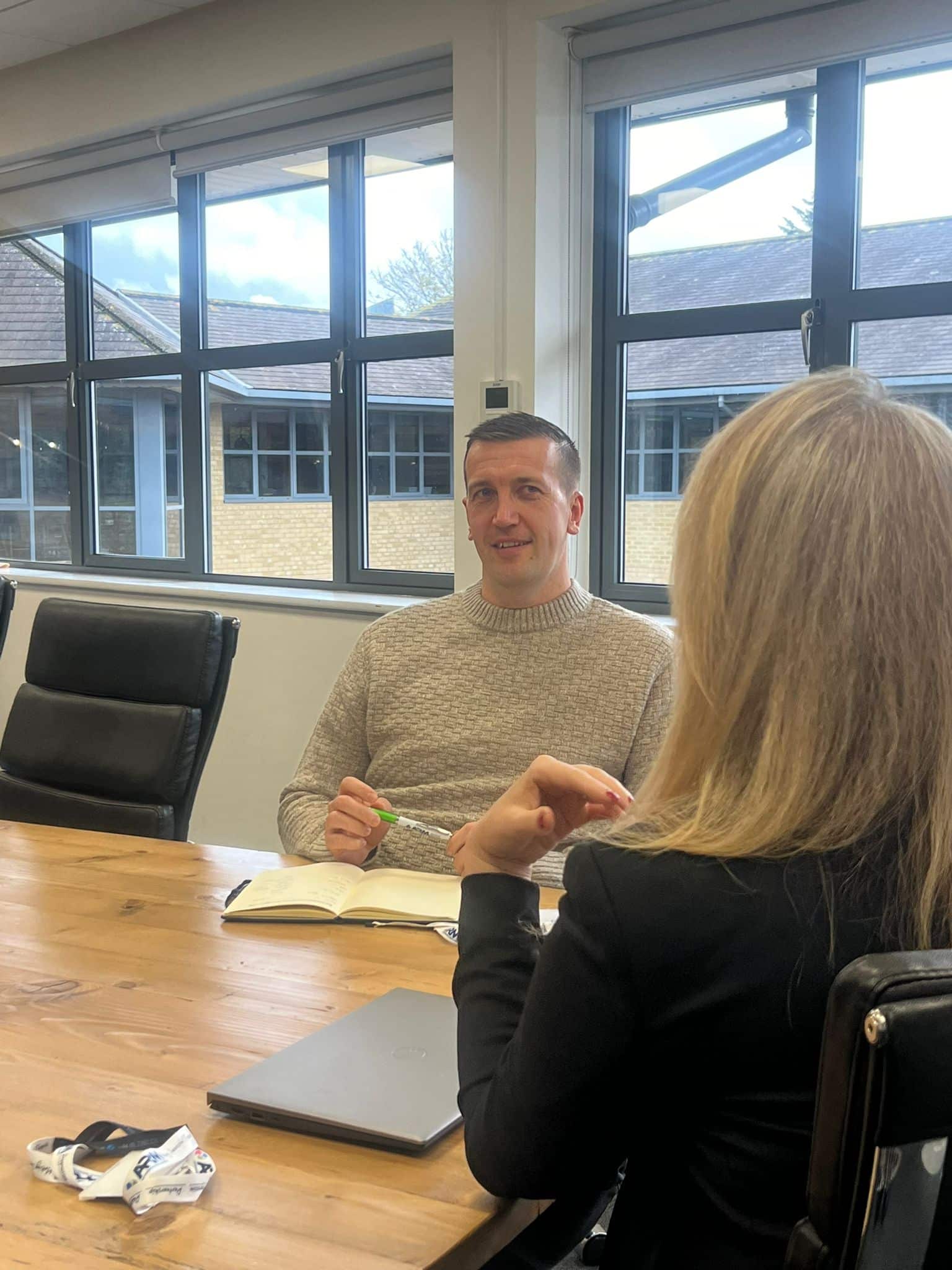

Being spoilt for choice is a fantastic situation to be in, until you have to choose between two exceptional candidates you have shortlisted for one job role. It’s a great problem to have but it can cause uncertainty and delays in your hiring process. When both candidates offer outstanding skills, experience and potential, how do you make the best hiring decision for your business?
In this article, we’ll walk through tried-and-tested strategies to help hiring managers, HR teams and decision-makers navigate choose the best candidate for every employment role confidently and professionally.
Successful methods for selecting the best candidate
Choosing between two strong candidates is best done with a structured, methodical approach. Relying on intuition alone isn’t enough – you need to assess not just what the candidates have done, but what they can offer to your business in the future. Let’s explore some proven techniques that can help you make a balanced, informed decision.
1. Get a second opinion
When you’re torn between two candidates, a fresh perspective can be so valuable. You can invite a colleague, another manager or a senior leader to join the final stages of the interview process, even if it’s only informally. A second opinion can help identify strengths or concerns that may not have stood out to you.
You might find it useful to ask the new interviewer to focus on a specific area in comparing the two candidates, such as leadership potential, technical skills or cultural fit. Different stakeholders may have different priorities, so gathering a variety of different viewpoints can help you make a more rounded decision.
2. Balance short-term impact with long-term potential
You may find it useful to weigh up short-term impact versus long-term potential; which is more important for your business right now? If you’re looking to hit immediate targets, meet pressing deadlines or plug a specific skill gap, you may favour the candidate who can ‘hit the ground running’ and start delivering results straight away.
But, if you’re thinking ahead to future projects, team development or expansion plans, it might make sense to select the candidate with slightly less immediate impact but higher future potential. Balancing these priorities carefully is key to making the right call.
3. Consider the future of the business
Similarly, think about your organisation’s long-term goals. Which candidate is better positioned to grow with the company (or indeed to help grow the company itself) over the next three, five or ten years?
When thinking about future potential, look at factors like adaptability, willingness to learn, leadership potential and ambition. While both candidates might have similarly strong current experience, one of them might offer greater potential for development and innovation, and choosing the candidate who aligns more closely with your business’s future direction could prove to be the smarter investment.
4. Review their soft skills
Qualifications and technical skills are important, but soft skills often make the difference between a good hire and a great one. Evaluate each candidate’s communication style, problem-solving ability, emotional intelligence, resilience and teamwork skills, as these attributes make an employee more valuable and more attractive.
Depending on where you are in the interview process, you might want to have the candidates complete some practical tasks that focus on soft skills to get a better insight into how they collaborate, manage challenges under pressure, etc.
Because soft skills are harder to teach than technical abilities, prioritising them could lead to a better long-term fit.
5. Compare salary expectations
An open and honest discussion about salary expectations and benefits is also helpful before making a final decision. Consider the full compensation package – including professional development opportunities, flexible working and career progression – to make sure the offer is competitive, fair and sustainable.
While it can be tempting to go for the more affordable option, don’t underestimate the risk of future dissatisfaction or turnover if a candidate accepts a role on terms they’re unhappy with. Likewise, significantly overpaying to secure a candidate may cause internal salary disparities and resentment among existing employees.
6. Do candidates have good communication skills and enthusiasm?
Enthusiasm can be a powerful indicator of future success, so ask yourself…
- Which candidate seems genuinely excited about joining your organisation?
- Who asks insightful questions?
- Who shows a deep understanding of your business?
- Who proactively discusses how they can contribute?
Good communication is also a really valuable indicator. Those candidates who express themselves clearly, actively listen and build rapport are likely to integrate more quickly into your team and establish strong working relationships.
Pay attention not only to what candidates say during interviews, but how they say it, how promptly and professionally they communicate after interviews and how engaged they are throughout the hiring process. These will all help identify which candidate is the better choice.
7. Consider candidates’ cultural fit
Finally, cultural fit remains one of the most important – and sometimes overlooked – factors in hiring success. Even a technically brilliant candidate may struggle if their working style or values clash with the culture of the existing team.
Think about your company’s core values, preferred working environment and team dynamics. Does the candidate seem likely to thrive in this setting? Have they demonstrated behaviours or attitudes that align with your organisational ethos?
Remember that it’s not just about someone being able to fit in, and look for those who can ‘culture add’ (complementing and strengthening your existing culture), as this can bring fresh perspectives and positive change.
What is the best way to approach shortlisting candidates when two are equally strong?
When shortlisting candidates of similar calibre, the key is to move beyond the CV and assess what each person will bring to your business specifically. Define your must-have criteria before reviewing applications — technical skills, cultural alignment, long-term potential — and score each candidate against them consistently. This structured approach removes subjectivity from the process and makes the final shortlisting decision far easier to justify to stakeholders.
How can a recruitment scorecard help when making a difficult hiring decision?
A recruitment scorecard gives your hiring team a shared, objective framework to evaluate candidates against the same criteria — removing the risk of bias or inconsistency creeping into a close hiring decision. Assign weighted scores to key competencies such as technical ability, soft skills, cultural fit and growth potential, then compare results across interviewers. When two candidates are neck and neck, a well-constructed scorecard often makes the right call obvious.
What role does candidate assessment play in distinguishing between two top applicants?
Candidate assessment goes beyond the interview room — it’s about gathering evidence of how someone actually performs, not just how they present. Practical tasks, psychometric tools or skills-based assessments can surface differences in problem-solving, communication and resilience that aren’t always visible in a standard interview format. Used alongside interview feedback, robust candidate assessment gives you a much richer and more reliable picture of each person’s true potential.
How does a structured interview process make it easier to compare two outstanding candidates?
A structured interview process — where both candidates are asked the same questions, in the same order, and scored against the same criteria — ensures you’re making a like-for-like comparison rather than being swayed by rapport or interview style. It also protects against unconscious bias, which can be particularly influential when both candidates are performing at a high level. If you’re not already using a structured format for final-stage interviews, it’s one of the most effective changes you can make to your hiring process.
What should employers do if they still can’t reach a hiring decision after interviewing two strong candidates?
If you’ve reached the final stages and still can’t separate two strong candidates, it’s a sign that you need either more data or more perspectives. Consider bringing in a second interviewer, requesting a practical task or work sample, or having a more in-depth conversation around salary expectations, start dates and long-term ambitions — the answers may reveal a clear front-runner. At ARM, our specialist recruiters support clients through exactly this kind of decision every day, helping you weigh up the full picture and make a confident, informed choice.
Final recruitment thoughts
Choosing between two outstanding candidates is ultimately about more than just comparing CVs, it’s about looking deeper into each one’s potential contribution to your business. Create a process with the guidance above and use this to take the time to make a thorough, informed decision about which candidate will be the most suited for your family business and what it needs.
Explore more top tips on what makes a great candidate.
Why trust our recruiters?
At ARM, we specialise in helping businesses navigate even the most complex recruitment decisions. Our recruiters take the time to understand your business goals, company culture and team dynamics, and with deep sector expertise, market intelligence and a rigorous candidate vetting process, we support you in finding and securing the very best talent. We do this not just for today, but for the future of your organisation.
When you work with ARM, you’re not just filling a vacancy – you’re investing in your company’s long-term success. If you’re facing a hiring decision between two outstanding candidates or if you want expert guidance throughout any of the recruitment process, we’re here to help. Get in touch with our team today to discover how ARM can support you in making hiring choices that power your business forward with confidence.